Coaching at the Top: True Leadership Happens When No One Is Watching
These are private coaching engagements with CEOs navigating complex, high-stakes situations.
These private stories offer a glimpse into how real leaders grow beyond challenges and redefine legacy.
Behind every title and every success story lies a human journey, one of doubt, resilience, and transformation. All stories are shared with absolute respect for client confidentiality.
Leading with Strength and Heart

“Protecting the Company. Honoring the Relationship.” Balance, grace, hard choices with dignity
When I first met this client, it wasn’t in a boardroom or a coaching referral. It was at a lively, lavish event where neither of us had any professional expectations. Ironically, it was the most unfiltered, unscripted conversation that sparked one of the most meaningful coaching partnerships of my career.
He was a CEO of a leading financial organization, managing billions, while I had recently stepped away from my structured role as a Vistage Chair, ready to coach on my own terms. At that first encounter, I had no idea who he was and, to be honest, I wasn’t particularly interested. Yet my directness, even annoyance, caught his attention. After the event, he waited, handed me his business card, and simply said, "Call me."
When I realized who he was, I counted my words that night carefully in my mind but also recognized that something real had sparked.
During our first formal meeting, I asked him bluntly:
"Of all the coaches in the world, why me?"
"Of all the coaches in the world, why me?"
His answer was just as direct:
"Exactly because of that."
"Exactly because of that."
We signed an agreement that day. That was the beginning of 2.5 years of partnership until he transitioned into the Chairman role.
The Challenge
This CEO was highly respected yet navigated constant undercurrents within his board, particularly from one board member who admired his leadership but also challenged him in indirect, sometimes undermining ways.
The dynamic was subtle but draining: the board member would question or criticize him indirectly when least expected, sometimes triggering frustration or uncharacteristic reactions.
Despite his incredible achievements, the CEO, like every human at the top, needed a trusted sounding board, someone who would not just listen, but strengthen his presence when it mattered most.
Our Work Together
In coaching sessions, sometimes brief calls between critical meetings, I provided exactly that.
- I helped him recognize moments of tension not as threats, but as strategic opportunities to grow stronger under pressure.
- I helped him channel frustration into poised, confident responses that protected his leadership image.
- I provided a safe, honest space where he could spell out frustrations freely, often lightening the moment with humor when he needed it most.
- We sometimes prepared subtle, strategic "tasks" for board meetings to ensure he stayed in control of the room without unnecessary confrontation.
Along the way, I learned essential lessons myself:
- Coaching a top CEO isn’t just about leadership techniques. It requires ongoing immersion in their business world, understanding the economy, competitors, and even the personal agendas within the boardroom.
- True coaching at this level is about being bold yet wise, daring enough to say what others won't, but always with precision and respect.
At one point, he joked that I sounded like his wife, a sign that I was pushing him as hard as those who knew him best, and that I had earned a rare place in his circle of trust.
The Transformation
Over time, his leadership presence became even stronger.
He learned to manage indirect challenges without overreacting, to turn criticism into quiet wins, and to stay grounded in the face of provocation.
He became not just a CEO, but the kind of leader others quietly but powerfully follow steady, strategic, and composed under any pressure.
Eventually, he transitioned into the Chairman role, leaving daily operations with a legacy of quiet strength behind him.
Reflection
This experience reinforced one of the most important lessons of my coaching philosophy:
At the highest levels, trust is earned not through promises, but through authenticity, business intelligence, and unwavering respect.
When CEOs find a coach who truly sees their battles not just their titles real transformation happens.
And when you meet them there, they move from simply leading to truly mastering their leadership.
Coaching the Future
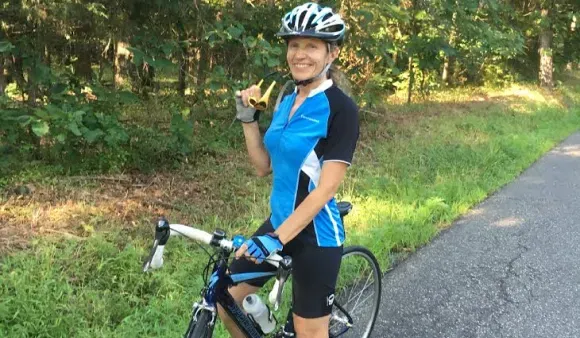
“From Relentless Speed to Sustainable Strength” Clarity in motion
Not every coaching relationship begins with mutual understanding. Some start with resistance: a test of boundaries, respect, and human connection.
This client, a 32-year-old CEO leading an innovative AI and tech company, came to me not through a recommendation, but through sheer persistence.
At first, I wasn't sure I wanted to work with him.
He was brilliant, aggressive, impatient, pushing me to answer quickly, challenging every response, demanding attention at his own pace.
Money was not an issue for him; respect was.
I told him more than once that I wasn't his coach and wouldn't be, unless the relationship was based on mutual trust and boundaries.
But he insisted.
He didn't want another adviser.
He wanted something different, someone who would stand strong when he tested every limit.
The Challenge
His leadership style mirrored his business environment: fast, relentless, transactional.
While his innovation skills were extraordinary, his emotional intelligence lagged far behind.
His teams felt pressured and unseen.
His leadership, while impressive on paper, lacked the human touch needed to build lasting loyalty and sustainable success.
On a personal level, his health was beginning to suffer from the nonstop pace, though he barely noticed it at first.
Our Work Together
The coaching was intense.
- I set clear expectations from the beginning: mutual respect, thoughtful conversations, no snap judgments.
- I challenged him to slow down, not as a weakness, but as a strategic advantage.
- I demanded that he invest as much effort in understanding his people as he did in understanding his products.
- I pushed him to introduce new habits: better health routines, sustainable schedules, mindful leadership practices.
At the same time, I made the effort to understand his world:
Learning new apps, reading about emerging tech and innovation trends, ensuring I could meet him at his level without sacrificing the deeper coaching work.
The Transformation
Over six months, the shift was remarkable.
- He began to build stronger relationships with his team, not just manage them.
- He practiced emotional intelligence in his leadership communication.
- He discovered the value of health, work, and life balance, not as an ideal, but as a necessity for leading long-term.
At the end of our engagement, he wrote a note saying that he had learned more about leadership and himself in our time together than in all his college years.
He had moved beyond managing innovation. He had become a leader who could carry it into the future with strength, resilience, and humanity.
Reflection
Coaching future generations of leaders demands more than knowledge. It demands patience, strength, and the willingness to challenge brilliance without fear.
Helping a young, brilliant mind slow down enough to truly lead was one of the most rewarding challenges of my work.
Sustainable leadership begins not with speed, but with wisdom.
Coaching Beyond the Surface
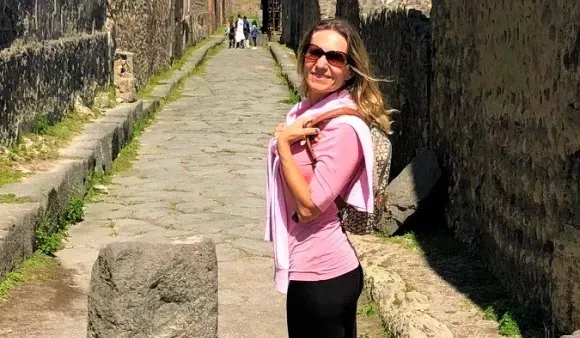
“Leadership That Endures Beyond the Moment” The path for reinvention
Leadership is often portrayed as decisive and clear. But when business and bloodline mix, leadership becomes more complex and more human.
This client, CEO of a private financial company, had inherited more than just a title.
He shared leadership with his brother, who served as Chief Operating Officer.
What had been a family legacy was slowly becoming a private source of sleepless nights, emotional exhaustion, and internal conflict.
When we first met, his goal was uncertain:
Could the relationship be saved?
Could the business continue without tearing the family apart?
The Challenge
The brother was a poor fit for the company’s evolving needs, but firing him risked not only a business dispute, but a family rupture that could last a lifetime.
At times, resentment and anger clouded the CEO’s judgment, pulling him into cycles of frustration and guilt.
The real task wasn't just about strategy.
It was about transforming emotions from bitterness to respect and helping him lead through the most difficult decision of his professional and personal life.
Our Work Together
Over the course of a year, our coaching focused on two fronts:
- First, shifting his mindset from anger to strategic compassion, allowing him to make decisions without emotional poison.
- Second, structuring an exit that honored the brother’s contribution while protecting the company’s future.
I challenged him to see his brother not just as an obstacle, but as a man deserving dignity, even if they could no longer work side-by-side.
We worked carefully on communication strategies, negotiation terms, and personal emotional processing.
At the same time, I pushed him to invest in himself:
Hiring a personal trainer, rebuilding his physical strength, and restoring his personal resilience, tools he would need to navigate both the emotional and business dimensions of this transition.
The Transformation
Five months into our work, he made the decision to part ways with his brother.
But it wasn't a bitter termination, it was a carefully crafted, mutually respectful agreement that protected both men’s dignity and futures.
He offered his brother a financial package beyond what was required by policy, an act that closed the chapter not with war, but with grace.
Nine months later, the separation was finalized, and the company moved forward stronger, clearer, and free from hidden tension.
Two years later, he sent me a photo: stronger, healthier, and smiling, a quiet reminder that leadership victories are sometimes measured not in market share, but in peace of mind.
Reflection
True leadership isn't proven in easy victories.
It's revealed in the moments when leaders must protect both their business and their humanity.
Strength and compassion are not opposites. Together, they define the highest form of leadership.
Leadership in the Darkest Hour
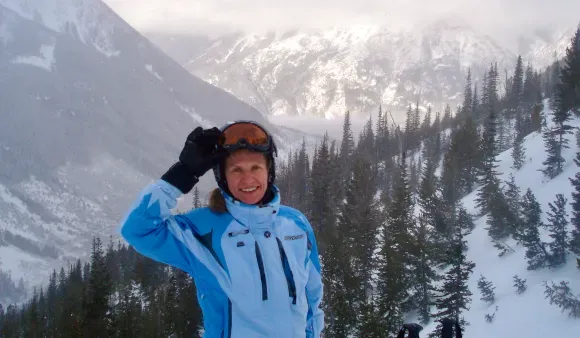
“Leading While No One Knew” From crisis to quiet strength
Some coaching journeys begin with ambition, others with resilience, and some begin with a fight for life itself.
This client, a President of a major pharmaceutical company, found me not through a traditional referral, but after quietly reading my background, including my personal story of loss to cancer.
At our first conversation, his questions about my family and my past surprised me. Only later did I understand why: he had just received a late-stage cancer diagnosis.
Leadership had been his whole identity. His family lived in another state, his children were away at school, and his company depended on him daily.
When he hired me, bound by a strict NDA, he had one unspoken hope - to survive, not only physically but professionally, emotionally, and privately.
The Challenge
Balancing treatment, leadership, and secrecy created an almost impossible situation.
Few people knew the truth. His board, his team, even his closest professional allies were unaware.
He was fighting for his life while maintaining the face of strength - alone.
The tasks before us were heavy:
- Strengthen his leadership team’s independence through strategic delegation without raising suspicion.
- Navigate tough business decisions without the cloud of fear or negative bias.
- Support his mental resilience daily through structure, perspective, and emotional stability.
- Protect his dignity and future, even as his body battled unseen.
Our Work Together
In many ways, the most important work we did was invisible.
- I created a structured quarterly, monthly, and daily framework for him, giving him a sense of control when everything else felt fragile.
- I challenged negative thinking gently but firmly, helping him see strategic opportunities rather than falling into fear-driven decisions.
- I insisted him re-anchor into life outside business, pushing him to take a real vacation for the first time in years, to visit his children, and to reconnect with the woman who stood quietly by him from afar, his wife.
Small steps became lifelines.
Thank-you letters, family visits, even stolen moments of rest - all became critical parts of his leadership survival strategy.
Throughout this time, I also stayed attuned to his business world: tracking competitors, industry changes, internal politics, ensuring that my coaching always reflected the real environment he was navigating.
The Transformation
Over the year we worked together intensively, he not only held his leadership position, he strengthened it.
He delegated more wisely, made better strategic decisions, and preserved the trust of his organization without exposing his private battle.
He emerged from treatment into remission and, even more remarkably, into a renewed understanding of what leadership and life meant to him.
After formal coaching ended, he continued to consult with me privately for another year, not because he needed survival support anymore, but because he valued the clarity, resilience, and humanity that had become part of his leadership identity.
Reflection
This experience reaffirmed a truth I now bring into every coaching relationship:
Leadership without health is not sustainable. Leadership without human connection is not success.
Real legacy begins when leaders choose to protect both, even when no one is watching.
Executive On-Site Coaching
If you’re navigating a challenge that few understand and want to grow through it with strength and clarity, let’s talk.